A Lower Mainland garden needs to cope with dry summer weeks and wet-season runoff. Observe where rain collects, which beds dry first, and how water moves past buildings and paths. Planting, a runoff basin, a planted channel, and permeable paving address different needs. Photographs help frame the discussion; soil, drainage, and the proposed outlet determine whether a feature suits the site.
Map wet and dry areas before choosing plants
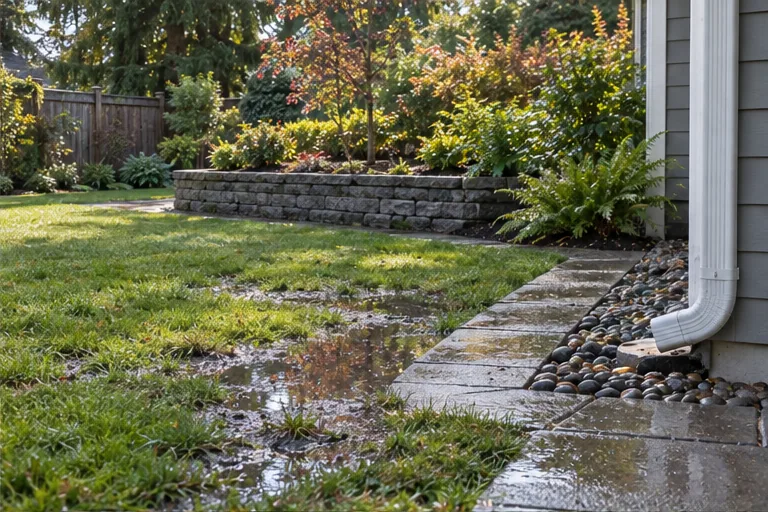
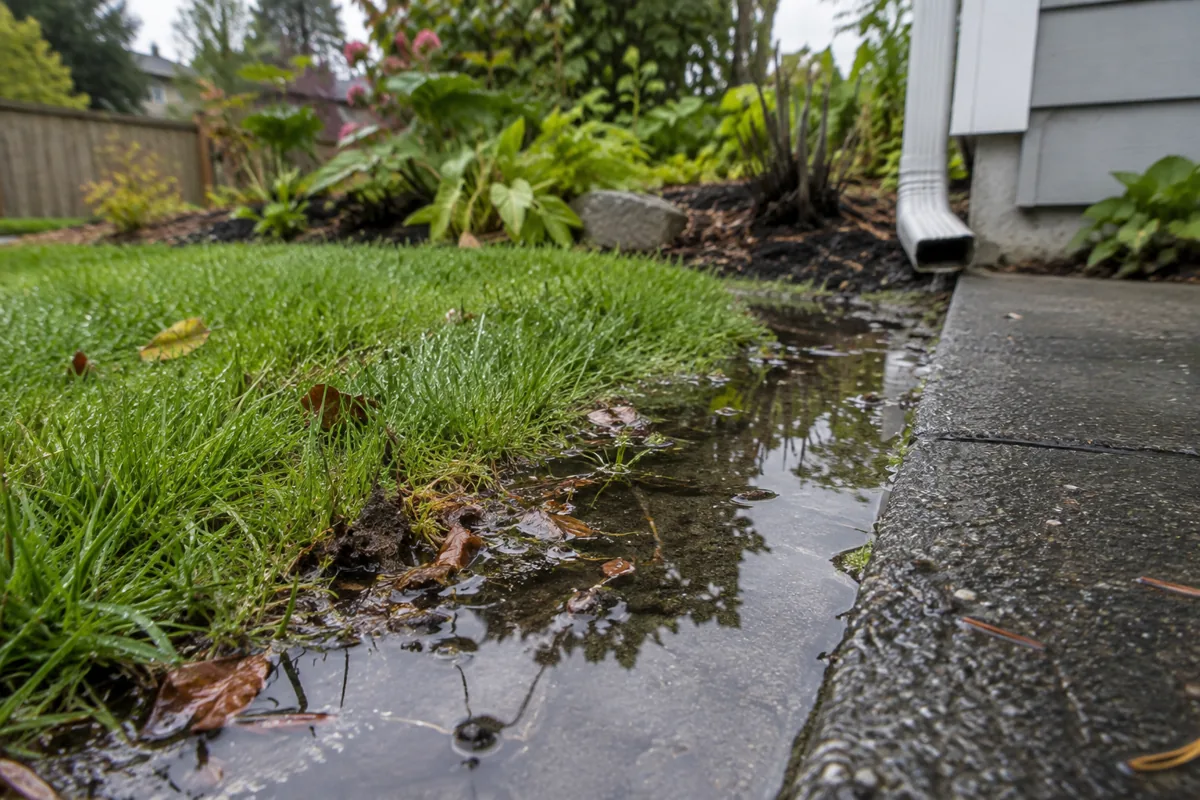
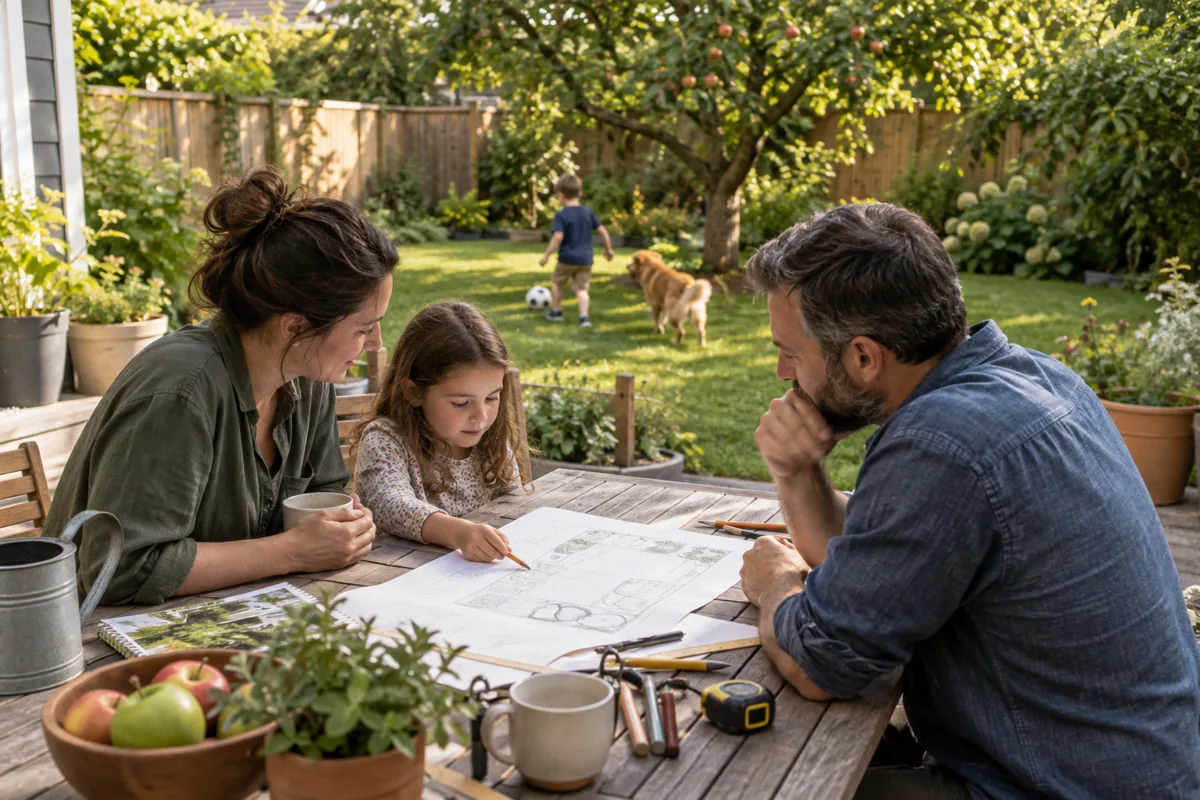
Take some photos during a rainstorm and during a dry spell. Make sure to mark downspouts, low spots, slopes, existing drains, and the direction water travels. Note morning and afternoon sun, large roots, and compacted access routes. A wet backyard in Chilliwack and an exposed front bed in Coquitlam might need completely different plants, even if you want them to look the same. Ask a designer to help you distinguish surface runoff from groundwater or building-drainage concerns and to explain which of your observations need more investigation.
Use a plant list that names the species and site needs
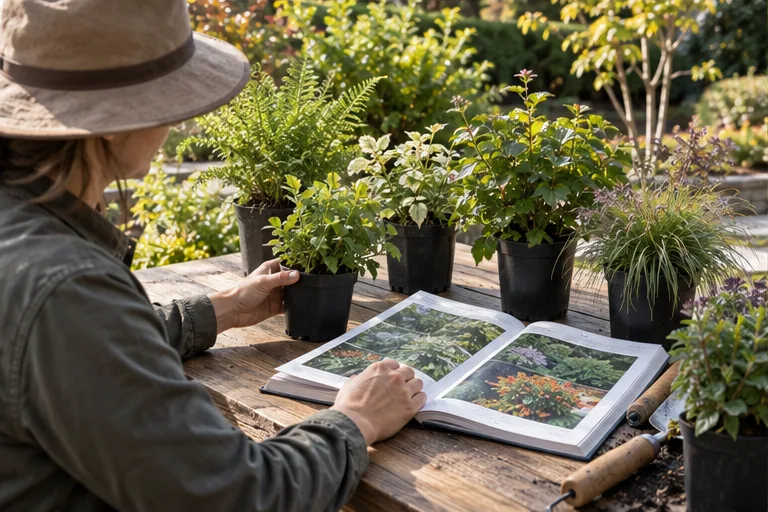
Coquitlam’s Water Wise Plant Guide is a good starting point for water-conscious planting, though it includes both native and non-native choices. When you look at a proposed plan, ask for the botanical names, mature dimensions, light requirements, and soil needs. Labels like 'native,' 'pollinator-friendly,' or 'drought-tolerant' aren't enough to know if a plant is right for every specific bed. For a Langley garden, record the bed's exposure and drainage rather than inferring them from the location.
Discuss drought-adapted native candidates with the designer
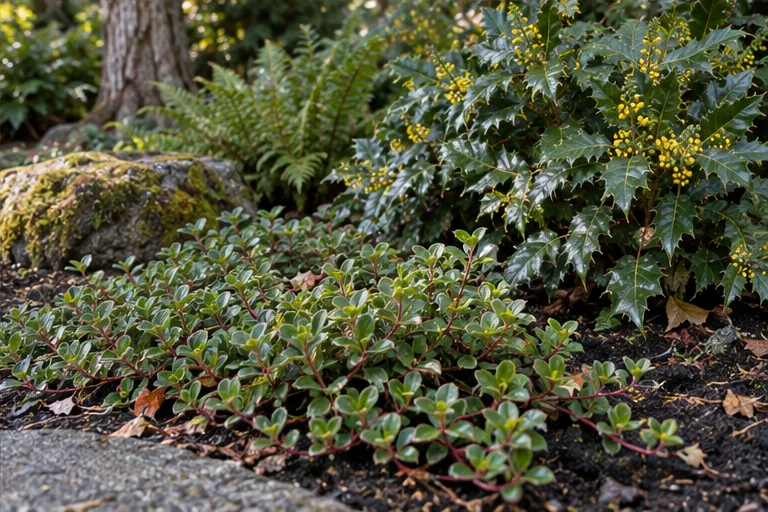
The UBC Botanical Garden’s Garry oak meadow and woodland collection features many plants that are adapted to summer drought, such as kinnikinnick and Oregon grape. Use these species to discuss growing conditions and placement, rather than as a shopping list for every Metro Vancouver garden. Ask a designer why each choice fits your specific bed, how much room it needs once it reaches maturity, and what kind of care it will need while it is getting established. The choices should work together as a planting plan.
UBC Botanical Garden: Garry oak meadow and woodland planting
Reduce exposed soil and unnecessary lawn carefully
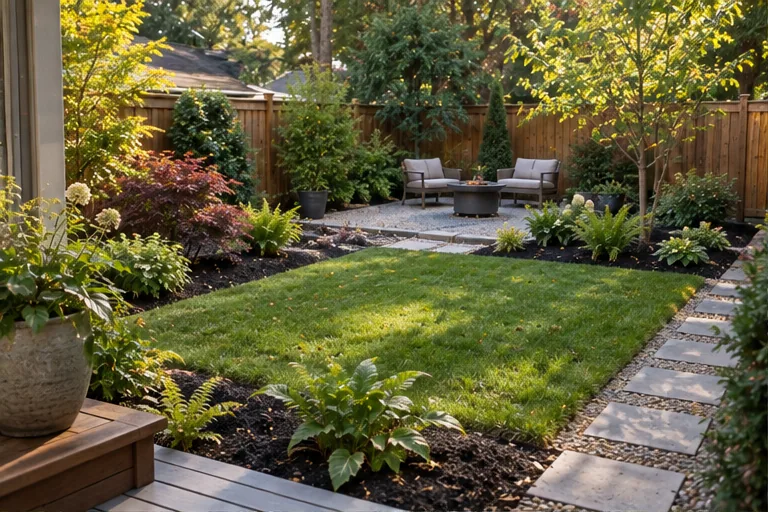
Metro Vancouver’s stormwater advice suggests things like using mulch, maintaining absorbent soil, and adding suitable planting. Mark the lawn areas you use and those you are willing to change. Ask how existing plants and tree roots will be protected, what kind of preparation is required, and how the mulch will be maintained. You should also plan a usable route for bins, play, or general access so that a planting conversion still works for your household's daily life.
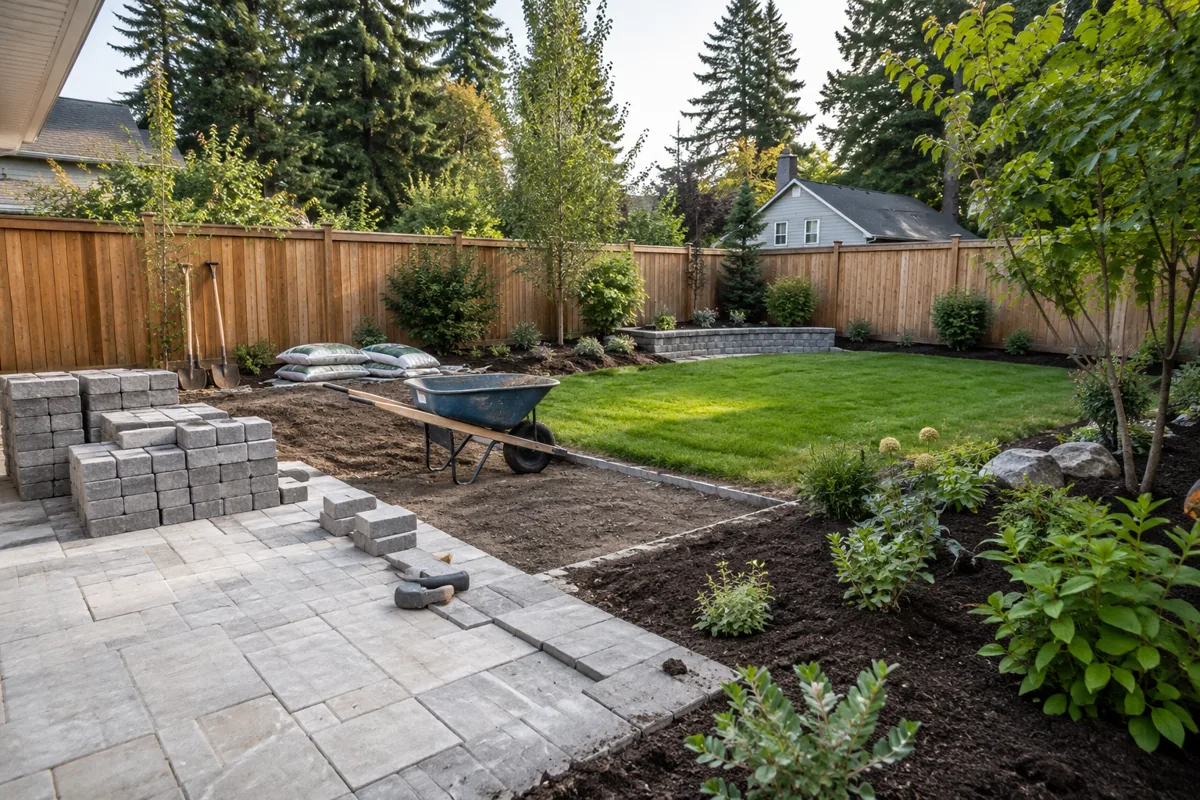
Evaluate permeable paving as a complete system
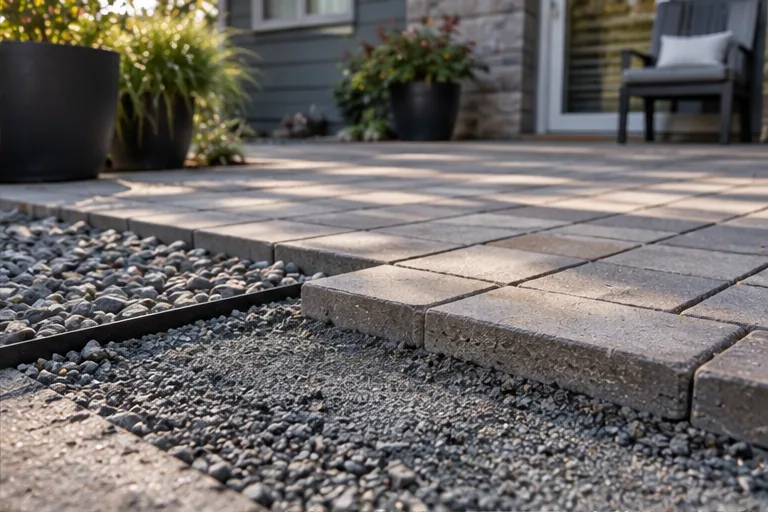
Permeable paving is meant to let water pass through the surface and into a designed underlying system. Ask an installer about the proposed base, soil infiltration, intended loading, the overflow route, and the maintenance requirements. A jointed surface on its own doesn't guarantee that a driveway or patio can actually handle runoff. If you have a Fraser Valley property with waterlogged ground or a suspected high water table, you need a site assessment before you commit to infiltration. Treat poorly infiltrating soil, a suspected high water table, steep ground, nearby foundations, and utility conflicts as design constraints that need to be resolved, not reasons to try and install the same infiltration system just with different plants. Metro Vancouver’s design guide prohibits source controls in hazardous areas of potential slope instability; a qualified geotechnical engineer should determine the infiltration setbacks near those slopes. Ask whether the proposal needs an underdrain, a different location, or a different approach. You should also confirm where excess water may lawfully go; do not design runoff toward a neighbouring property.
Metro Vancouver: stormwater source control design and maintenance
Use a rain garden where the site can support it
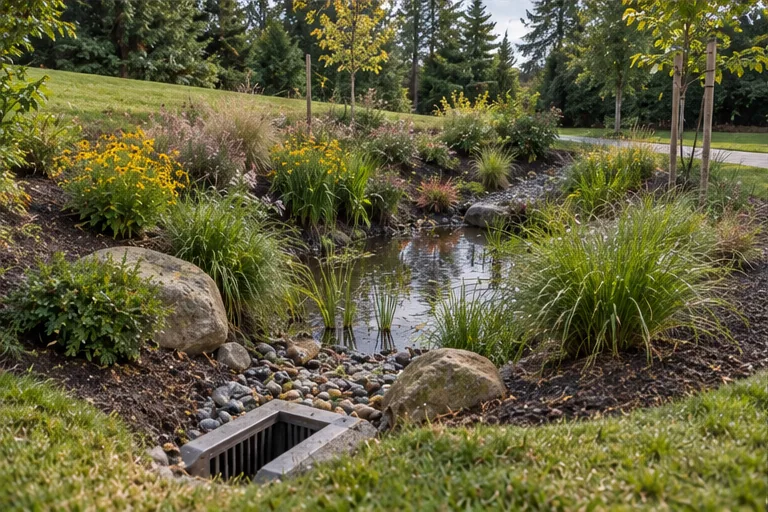
A rain garden is a shallow, planted depression designed to catch runoff, with the soil and plants chosen specifically for those conditions. Metro Vancouver includes rain gardens as a way to manage water in a yard. Ask a designer to identify the contributing area, the suitable location, soil performance, the overflow destination, and how the design works with foundations, utilities, and slopes. If you have persistent wetness or water appearing beside a foundation, start with the drainage diagnosis guide. The rain-garden plan should come after the assessment, not replace it.
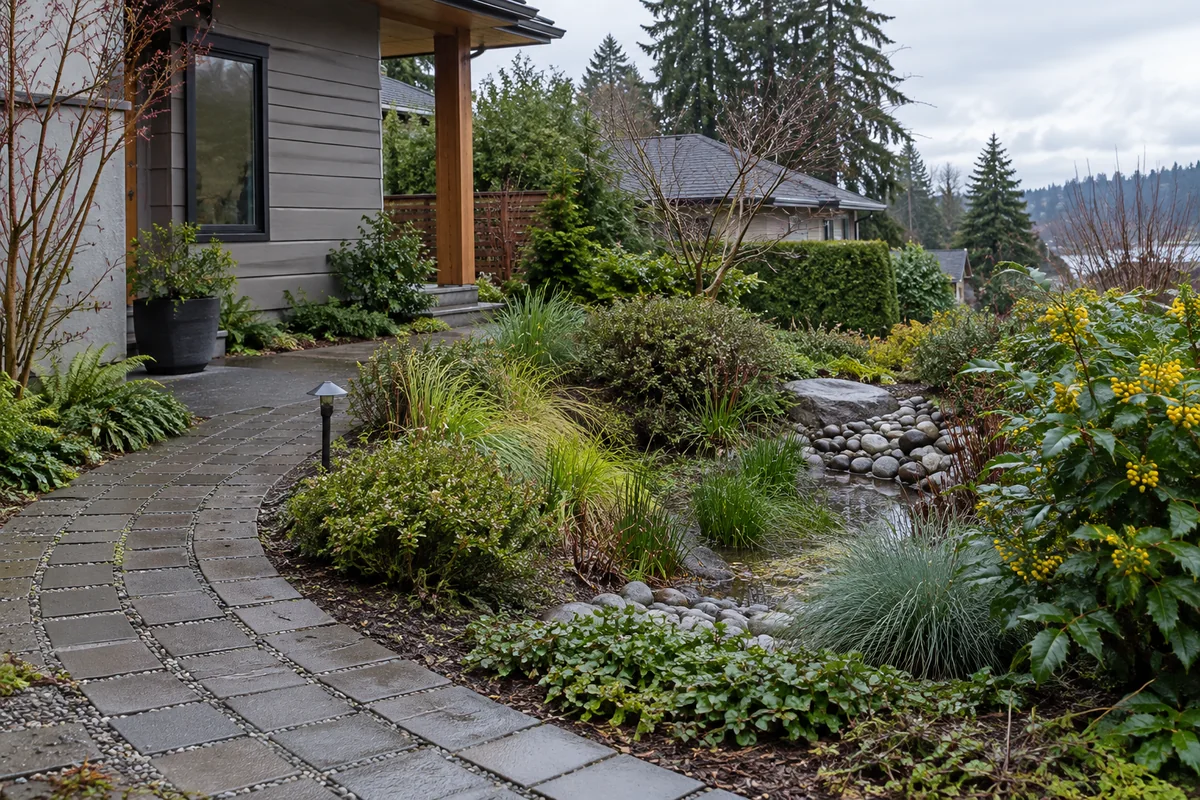
Choose a bioswale for a defined drainage purpose
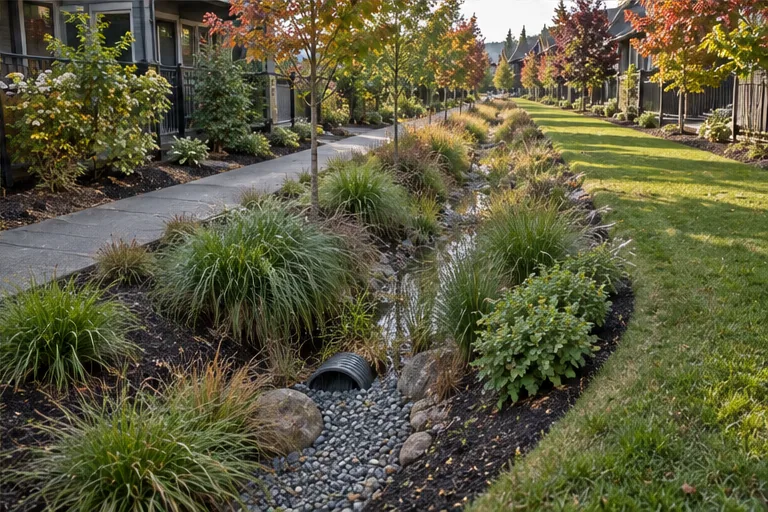
A bioswale is a planted channel meant to slow and treat runoff as it moves through a site. A rain garden usually receives and holds water temporarily in a defined basin. Some projects might use both, while others need different drainage solutions entirely. Ask where water enters and leaves, who is responsible for checking levels and capacity, and which approvals or specialist designs are required. Record the water route, overflow, and maintenance responsibilities on the drawings so they remain clear after the plants fill in.
Budget for establishment and winter maintenance
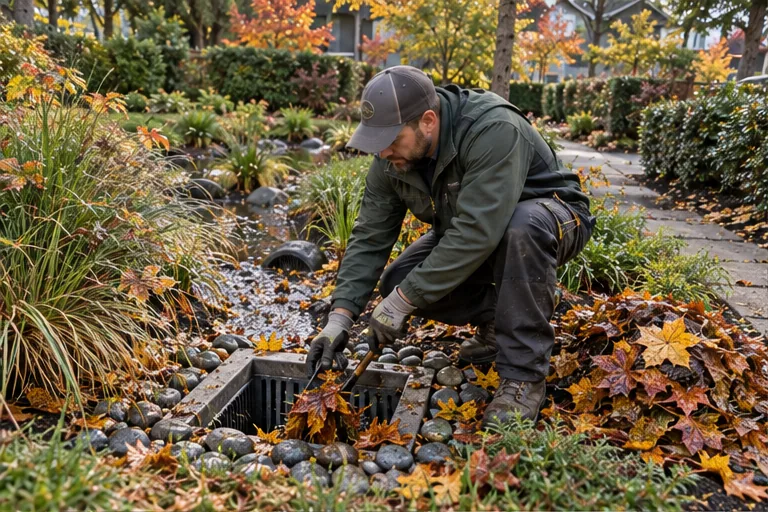
Ask for a care plan for the first season, including how much watering is permitted, weeding, plant replacement responsibilities, and inspections after heavy rain. Permeable paving requires maintenance to keep the surface and joints functioning, and planted drainage features need their inlets and outlets kept clear. Agree on who handles sediment and leaf buildup and how to report any problems. For a planting project in Abbotsford or Mission, check Our Water Matters for current watering conditions. Even drought-adapted plants need an establishment plan, and planting for drainage doesn't mean you can skip maintenance.
Abbotsford and Mission: water restriction stages Metro Vancouver: stormwater source control design and maintenance
Match the feature to the water problem
Use these distinctions to ask better questions. The site assessment and design determine which method fits the property.
| Feature | Question for the designer |
|---|---|
| Water-wise planting | Which specific plants suit this bed's sun, soil, and establishment care requirements? |
| Rain garden | What runoff enters the planted basin, and where does excess water go? |
| Bioswale | Which route carries runoff through the site, and how are the inlets and outlets maintained? |
| Permeable paving | What underlying system handles water loading and overflow, and how will the surface be kept clear? |
Enquiry checklist.
- Photograph water movement and map sun, shade, and access.
- Request a named plant list with site requirements and mature sizes.
- Review base preparation, infiltration, and overflow before paving or drainage work.
- Keep planting establishment and wet-season maintenance in the scope.
Local questions for your project
Explore questions about costs, services and project requirements in your city.